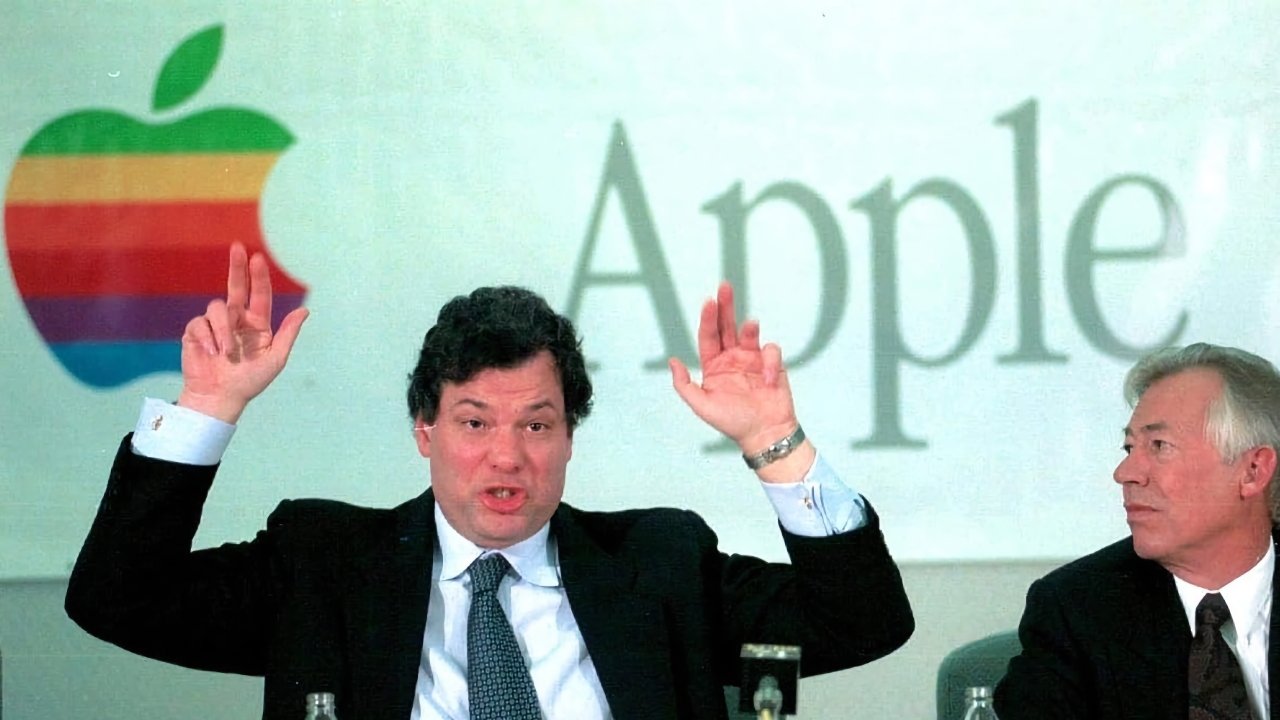
He's Apple's Chief Operating Officer who became the CEO — but he's not Tim Cook. Instead, this was how Michael Spindler replaced John Sculley, and made himself ill trying to save the company in the 1990s.
Michael Scott was the first Apple CEO, brought in by Mike Markkula, who became the second CEO when Scott was shown the door. Markkula was then responsible along with Steve Jobs for recruiting John Sculley, until he was also shown the exit sign.
But while it was Sculley who made Spindler Chief Operating Officer, and then it was the board that made him CEO, Markkula was again behind all of this. It was Markkula who recruited Spindler to join Apple in September 1980.
At that initial point, Spindler was probably the only Apple employee in the company's history to work without being paid. Markkula hired him to run Apple's European sales office but Apple didn't know how to send money overseas.
You can bet the firm had figured out how to receive money from outside the US, but it took months before Spindler got a check.
Building a reputation
What Spindler did get in that European operation was the reputation for being an extremely hard worker. For reasons that doubtlessly made sense at the time, he earned the nickname of The Diesel. You had to be there.
And Spindler was there at Apple 18 hours a day. Within four years, he was not just working in part of Europe, he was in charge of sales and marketing for the entire region. By 1988, he was running Apple's business across Africa, the Middle East, and every one of its European operations.
It was Spindler who ignited sales of the Mac in Japan by launching KanjiTalk — the Japanese language localization of the whole Macintosh operating system.
He was running everything well, too. In 1990, Spindler had made the European sales triple since he started, and that made it represent a full quarter of Apple's entire income.
On January 29, 1990, Sculley promoted Spindler to Chief Operating Officer. That sounds unsurprising given Spindler's track record, but Spindler has also been known within Apple for attacking Sculley.
This wasn't a case of Sculley rising above the issue, it was reportedly Sculley just believing Spindler when he denied any attacks. Even so, Sculley was advised by the likes of Joe Graziano, Apple Chief Financial Officer, not to promote Spindler — but he did anyway.
Consequently the two would work closely together, and appear equally uncomfortable with public speaking — or maybe with each other — in a later internal Apple video.
In 1992, Spinder and Sculley co-presented this internal video called "Apple's 3-Phase Plan for the '90s." Think of "The View," but with two middle-aged men wishing they could've hired someone else to do this.
Except Spindler does get into it when he talks about the technology of Macintosh and where that is going. For a man known for growing sales, he looked far more comfortable discussing technology — and that would become a hallmark of his time as CEO.
This video's aim was to reassure Apple employees that the company had a plan and was executing it successfully. But it was a three-year plan, and although they said it had been running for a while, it doesn't look like it lasted three years.
For on June 17, 1993, Sculley was out and Spindler was the new CEO. He was not going to carry on any previous plan, not when Apple was facing financial trouble.
Despite Sculley's successful raising of Apple's revenues, in 1993 there was a sudden drop in PowerBook sales. Apple could not win over enough switchers from Windows to keep up its laptop success.
Spindler wasn't in quite the same position that the first CEO, Michael Scott, was when he had to lay off a huge number of people. But it was going to be necessary and, perhaps ironically, the cost of Spindler laying off put Apple into the red.
Specifically, he laid off 2,500 Apple staff. Differing sources put the cost of doing this at either $198 million or $321 million, but either way it meant Apple posted a loss in its next quarter.
For the people who remained, Spindler froze all salaries, and reorganized Apple. He streamlined it into distinct silos for hardware, for the Mac operating system and so on. Plus he reorganized Apple's board of directors.
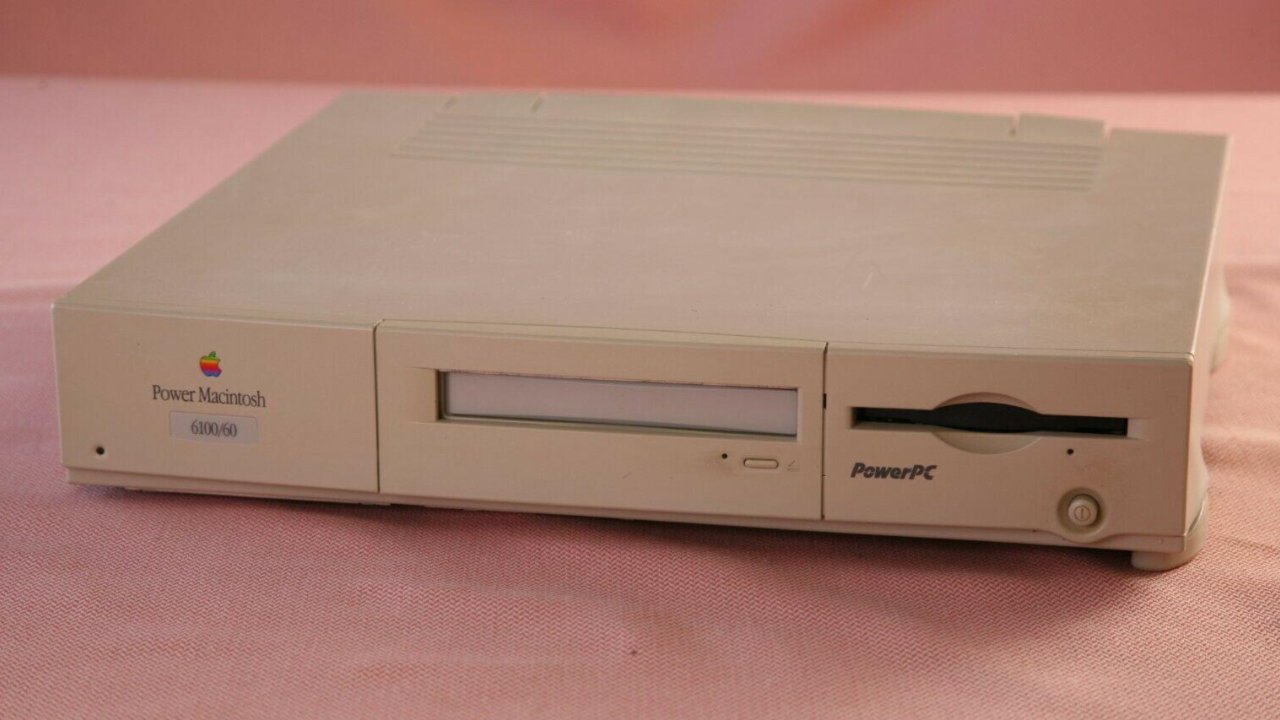
Spindler oversaw the transition to PowerPC — image credit: Apple
It was major surgery, it was needed, and it was done by somehow who could do it. It was done by someone who knew the company intimately and probably made the wisest possible decisions at the time.
But it was stressful and whether or not Spindler was good for Apple, Apple was very bad for him. He would reportedly sometimes hide under his desk, and he also repeatedly checked himself into Stanford Medical Center with heart palpitations.
According to Low End Mac, marketing executive Regis McKenna once told Spindler to quit. "Or you'll end up dead at your desk and two weeks from now, no one will remember who you are," he said.
Public image
Few people did know who Spindler was, since he only reluctantly ever spoke in public. He closed down the TV studio he'd made that video with Sculley in, and he turned down all opportunities to speak as CEO for four months.
Arguably he was getting on with job, but then when he did speak, it wasn't a great move. Spindler's first public appearance as CEO was a nine-minute speech at the 1993 Seybold Conference and it did not go down well.
He didn't have the charisma of Steve Jobs, and he couldn't deflect a hostile question the way Tim Cook can. But Spindler knew technology, and just then it was going to be technology that surely saved Apple.
It was under Michael Spindler's time that Apple launched the Power Mac 6100, 7100, and 8100. It was under him that Apple moved from Motorola to the PowerPC chip.
This was exactly as big a move as the transition from PowerPC to Intel later on — and the subsequent transition to Apple Silicon. It was also done as effectively, with a gigantic change being pulled off so well that it looked easy.
The only thing that didn't work was an internal Apple video about Power Macintosh. It is excruciating, but its 22-minute running time at least includes an entire three seconds of Spindler.
But then maybe less is more, for while seemingly didn't talk for much longer at the launch, the PowerPC Macs were a hit. According to David Pogue's "Apple: The First 50 Years," their first six months on sale set a record.
Apple sold $9.2 billion worth of Macs, and jumped to becoming the number one computer company by sales for the third quarter of 1994.
It didn't last. Driven in part by Spindler only increasing the number of different and indistinguishable Mac models available, sales dropped nearly 12% at Christmas 1994.
Technology hadn't been the only answer, but Spindler also knew the history of computing. Which is why he decided the only way forward for Apple was to do what it had long refused to.
Michael Spindler licensed the Mac's operating system to clone manufacturers.
It worked before
The IBM PC was a success more because of its name and its price than its technology. But then the PC became this world-dominating hit not because of IBM, but because of clone manufacturers.
Anyone could buy the same or similar components, anyone could put them together. What they couldn't legally do was copy IBM's BIOS, the firmware that made a PC run PC software.
It didn't deter a single manufacturer. The BIOS takes in instructions and outputs results, so as long the same instructions led to the same result, rivals could write their own BIOS.
Spindler knew this so he must have known that all the clones in the world failed to make IBM any money. He had previously been the reason Sculley didn't pursue clones.
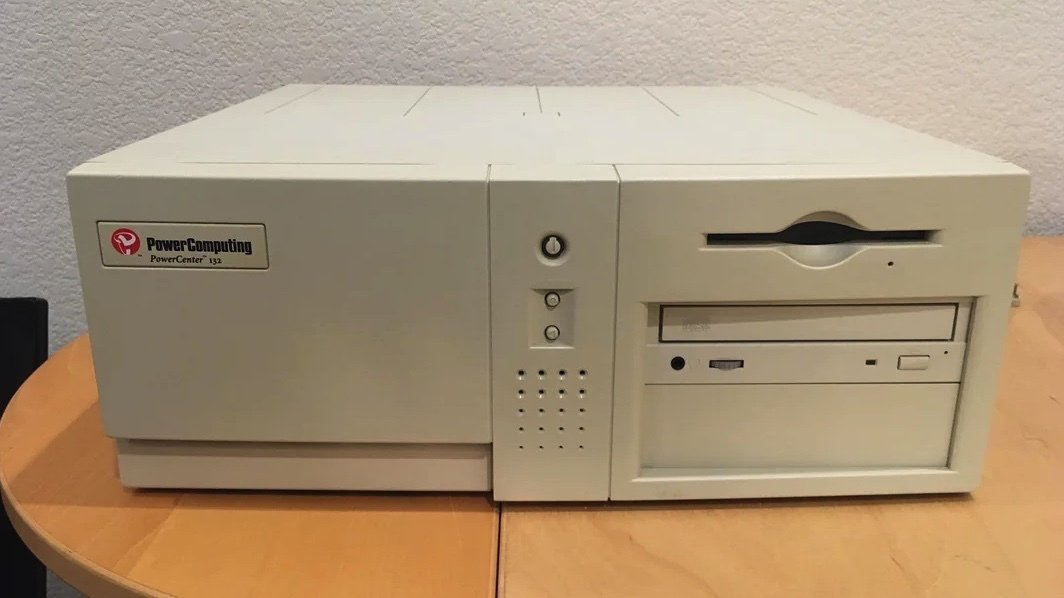
A 1990s Macintosh clone — image credit: Power Computing
But now as CEO, presumably he figured with Apple's tighter control on its OS, he could get all of the benefits of cloning.
"If anybody makes a Mac cheaper than we do from a cost standpoint, with our volume of a couple million machines," Spindler told MacWeek in 1996, "we should be shot."
Maybe manufacturers agreed, because it proved hard to find any that would try. And then when did manage to make clones of the Mac, they sold them primarily to Apple's existing customers.
Those customers were getting better Macs for less money, and that could still have worked out okay for Apple — if the clones grew the market. They did not.
Spindler's exit
Spindler's PowerPC move was necessary and good for the Mac, but didn't rescue the company. Clones were good for users, but ate into Apple's business instead of growing.
So Spindler's two strengths of technology and business had failed. There was one last idea, which was that Apple should be sold.
Spindler managed to get the head of the Sun Microsystems workstation company interested. But ultimately Sun offered a price that shocked the board with how low it was.
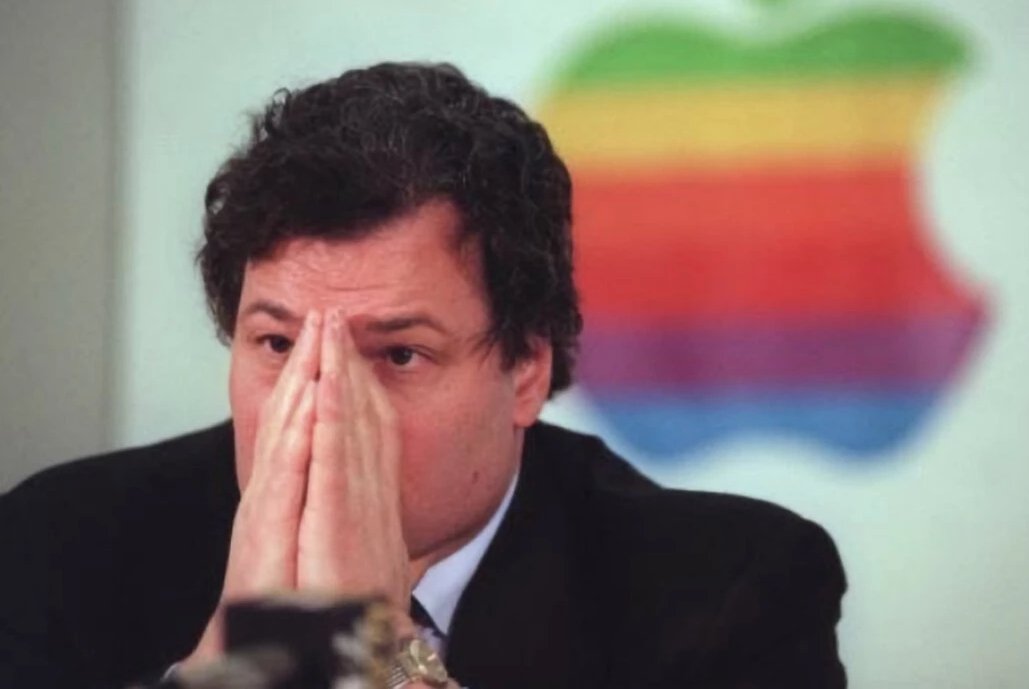
Michael Spindler — image credit: Applesfera
Worse, word of the offer got out and Apple's stock was downgraded.
On January 31, 1996, Apple's board met in New York to decide on a plan. They then invited Spindler to join them, but told him that he was to have no part in what they did next.
Michael Spindler was no longer CEO. Yet again, the key figure behind removing an Apple CEO was Mike Markkula.
And yet again, Markkula was involved in finding a replacement. Ahead of this meeting, it was Markkula and board member Peter Crisp who told Gil Amelio he was to take over.
Amelio would of course come in facing the same problems Spindler had left and he would arguably fare little better in solving them. Except for one thing — it was Gil Amelio who eventually brought Steve Jobs back to Apple..
Apple at 50: How each of its CEOs shaped the company
- Apple at 50: Michael Scott, the company's first CEO, made bold and bad choices
- Apple at 50: Mike Markkula, Apple's second CEO was as important as Steve Jobs
- Apple at 50: John Sculley, Apple's most maligned CEO
- Apple at 50: Michael Spindler, the CEO who brought in the clones
- Apple at 50: Gil Amelio, the CEO who brought back Steve Jobs